
Genus
Cochlidium See All Search SiteSpecies
serrulatumTaxon Family
PolypodiaceaeOrigin of Taxon
Tropical & Subtropical America, Tropical Africa, Amsterdam Island, West Indian OceanGrowth Habit
Clumping, RhizomatousImages
-
-
-
-
-
-
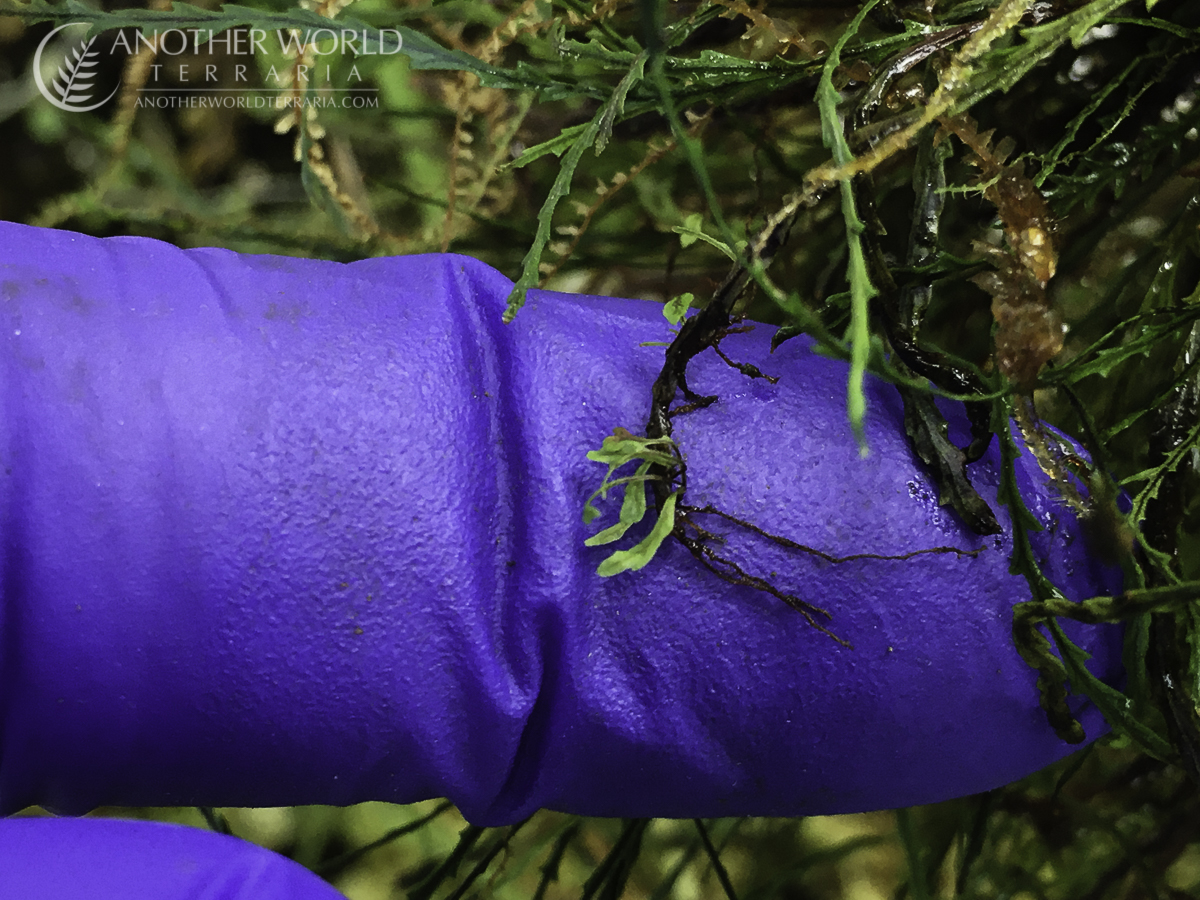
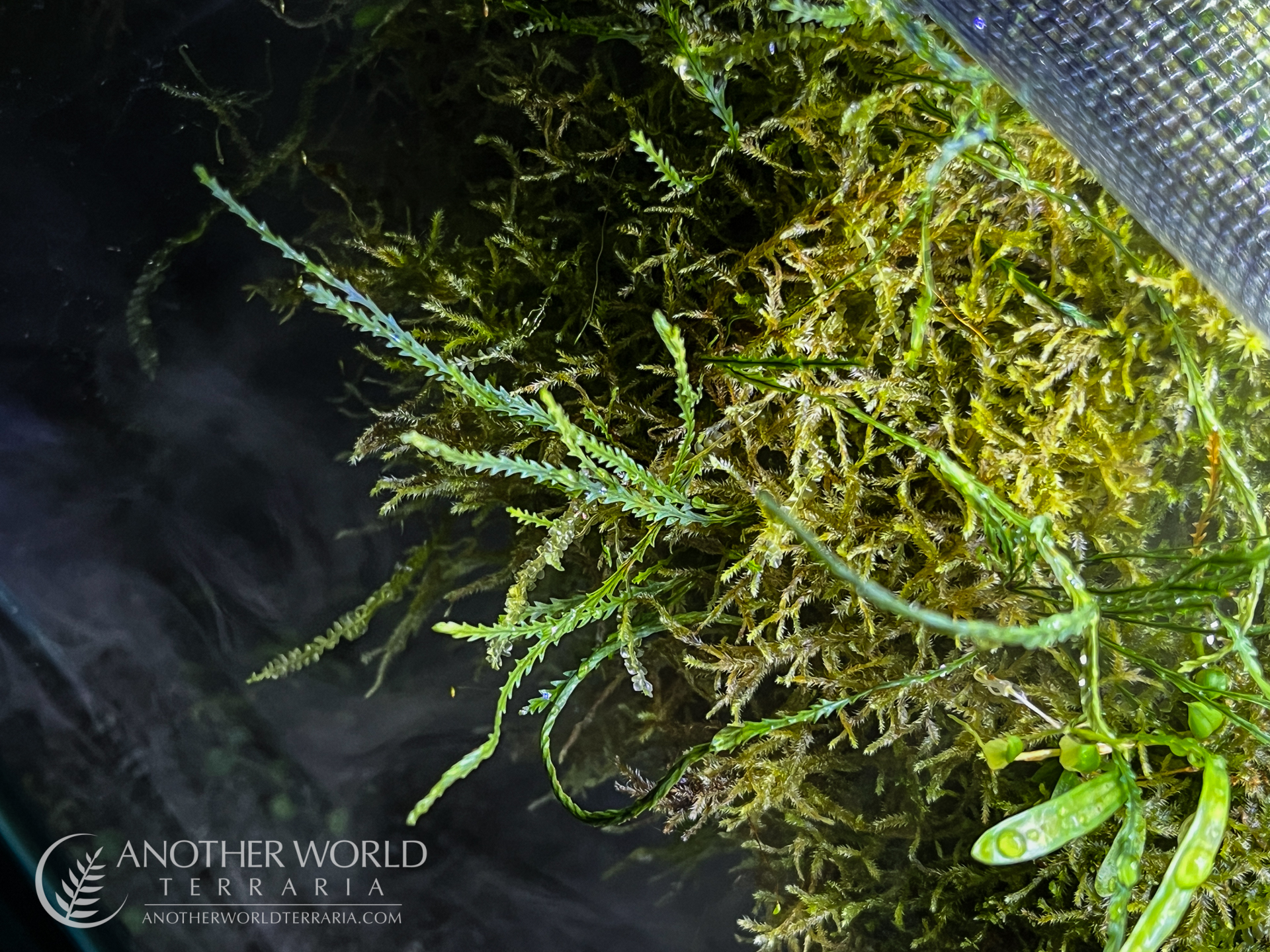
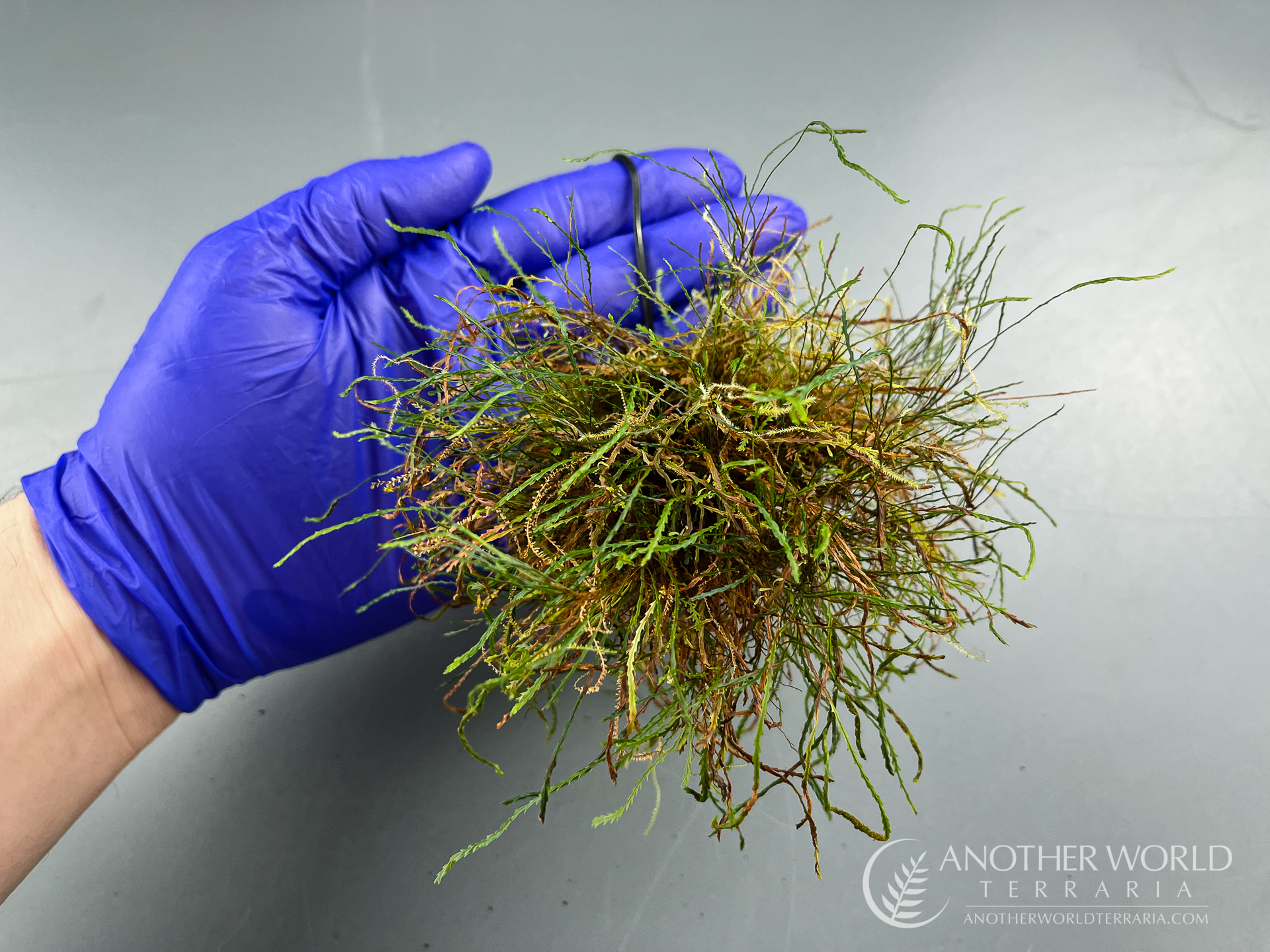
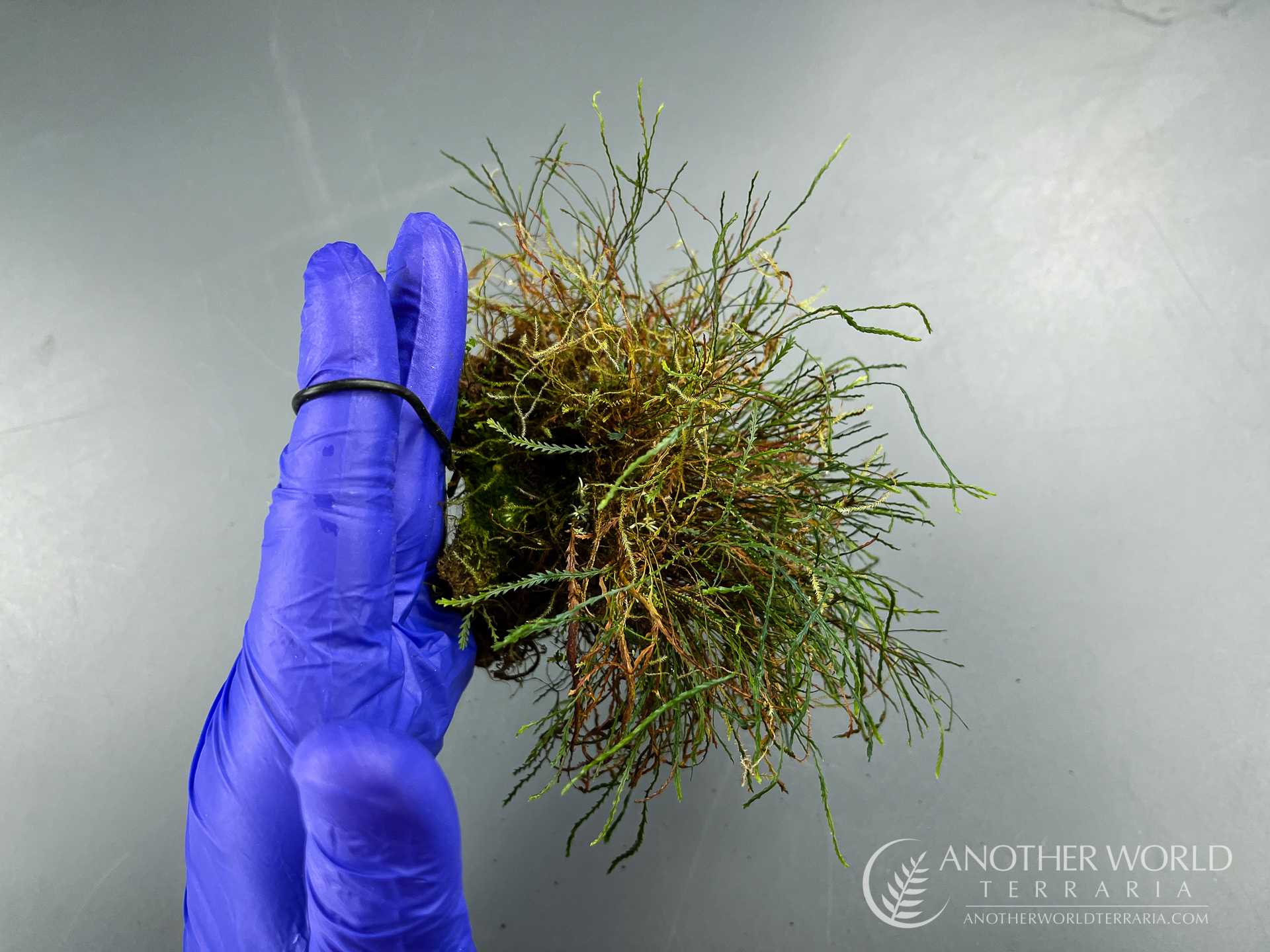
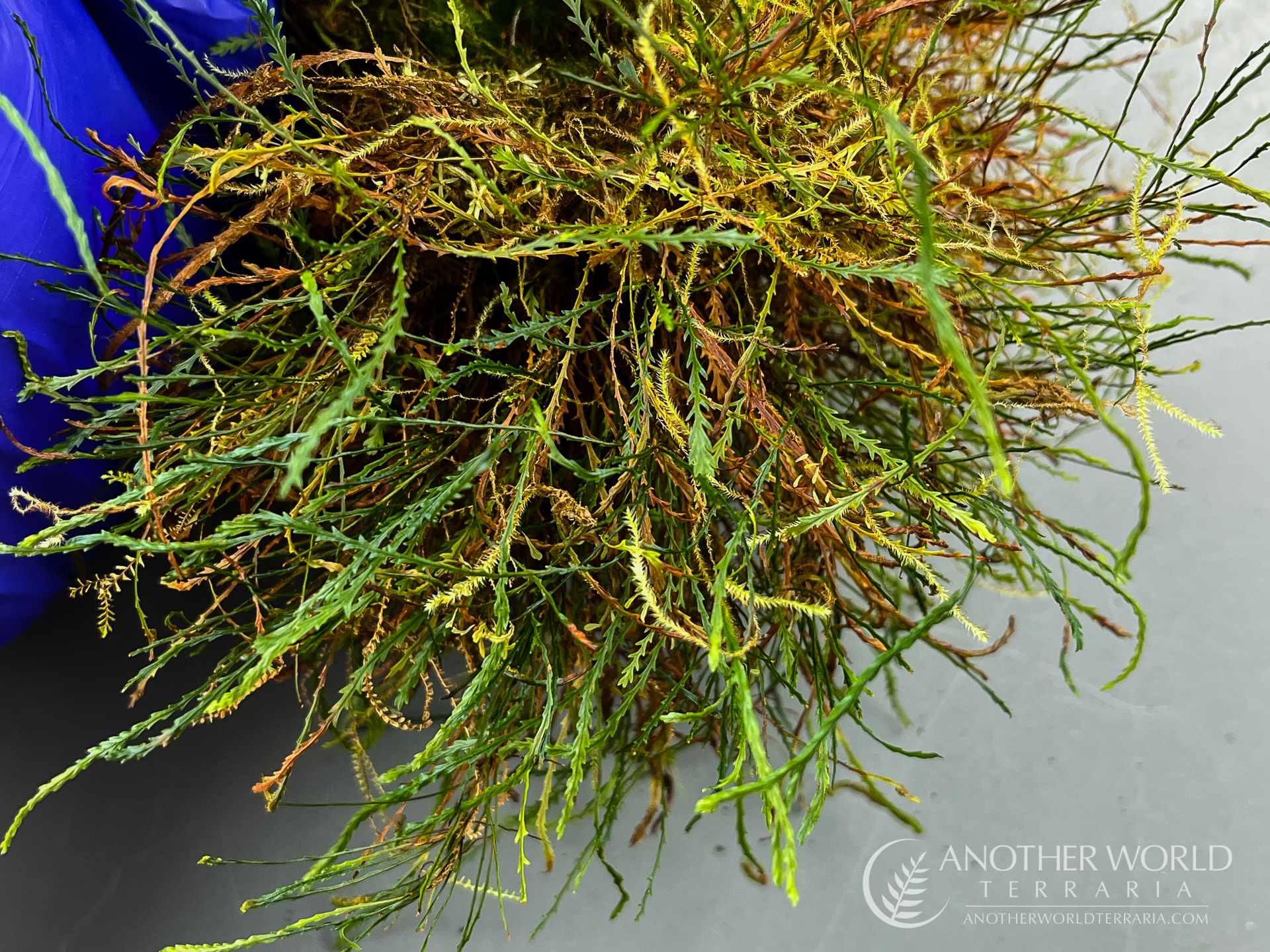
Cochlidium serrulatum sporelings growing directly on parent frond
-
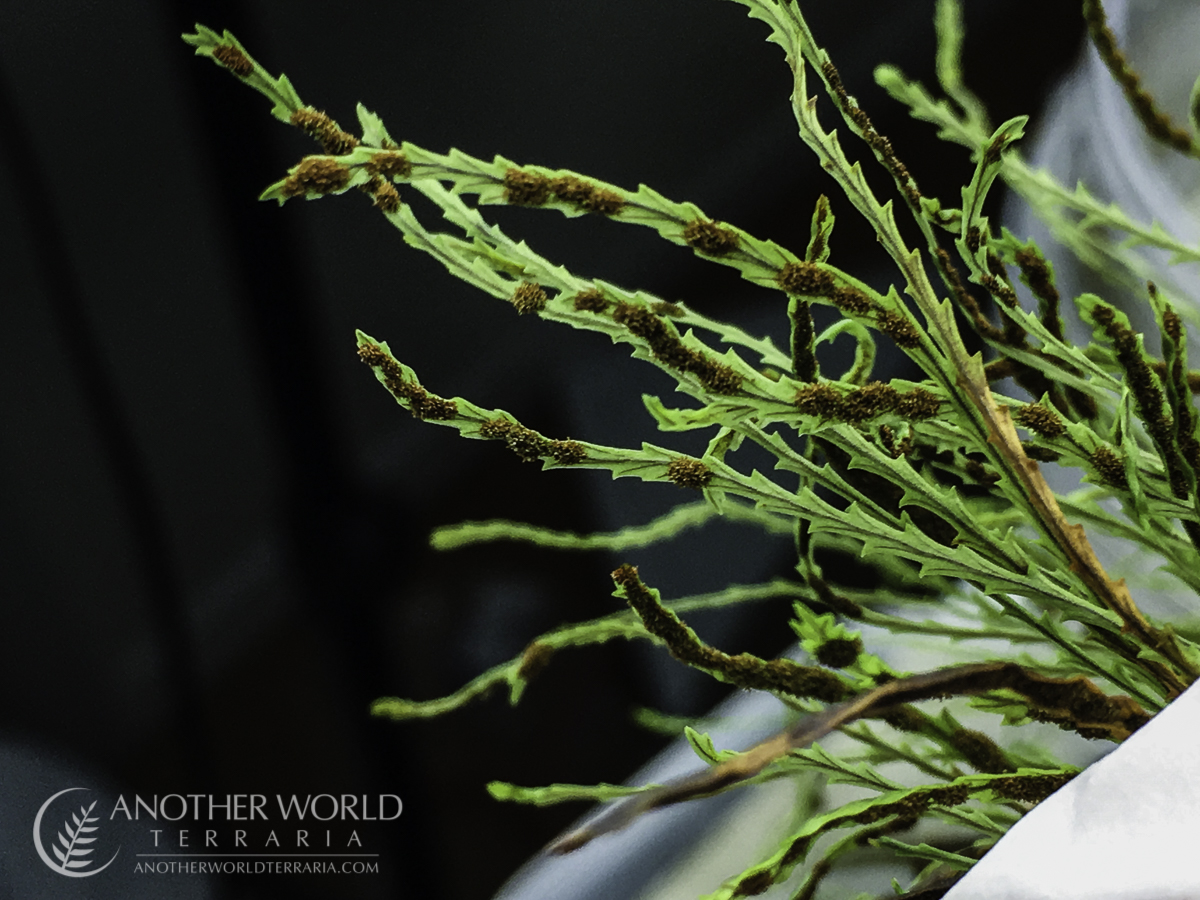
Cochlidium serrulatum, underside of fertile fronds, showing sori
Cochlidium serrulatum – Culture Notes
Written by Matthew of Another World Terraria
Background
In nature, Cochlidium serrulatum is typically found at mid to high elevations, in cool, wet cloud forests, although it can be found at lower elevations as well. The habitat is very humid, with a lot of rain and mist, and good air flow. The species grows primarily as an epiphyte, or sometimes lithophyte, usually among mosses and liverworts which prevent it from drying out. It spreads by rhizomes which creep through the moss and intermittently pop up new growth points.
Mounting / Substrate
Best grown epiphytically on a vertical mount (cork, tree fern) with sphagnum.
Use enough sphagnum to stay consistently moist and never dry out.
Place plant horizontally; lightly cover roots/rhizome only (do not bury too deep).
Secure gently with poly thread or fishing line; avoid compressing too much – retain airflow to rhizomes.
Acclimation
Expect frond drop and slow acclimation after mounting or environmental change.
Can be very slow to establish, then accelerates under optimal conditions.
Light
Medium to medium-bright.
Avoid hot/direct light.
Tolerates low light, but growth becomes sparse and slow.
Humidity
Prefers high humidity (vivarium, bin, tent conditions).
Water
Never dry completely.
Keep consistently moist, but not saturated.
Ideal cycle: thorough wetting, slight drying to damp, re-wet.
Best applied via frequent misting of mount.
Use RO or distilled water.
Temperature
Native to cloud forests (typically mid to high elevation).
Best in cool to intermediate conditions.
Moderately adaptable, but prefers cooler ranges.
Airflow
Prefers good air movement.
Constant gentle airflow or intermittent stronger airflow both work.
Avoid constant strong airflow (desiccation risk).
Fertilization
Liquid: ¼-½ strength occasionally (e.g., MaxSea, SeaGrow)
OR slow-release: very sparing (~1 pellet / 2″ clump, placed 3/4″ inch above plant)
e.g., Osmocote Plus, Nutricote
Optional: supplement with Cal-Mag at low strength.
Propagation
By division of established clumps.
Due to tiny size, expect some damage; healthy portions will recover with time.
Where to Buy
References
- GBIF search for "Cochlidium serrulatum"
- Kew Plants of the World search for "Cochlidium serrulatum"
- WikiSpecies search for "Cochlidium serrulatum"
Categories
Plant Database ProfileTags
More Helpful Stuff